Oral Health & Pregnancy: What Every Expecting Parent Should Know
March 13, 2026 9:00 am>
Pregnancy brings many changes to the body, and some of them happen in places people don’t always expect—including the mouth. Hormonal shifts can affect the gums, alter how the body responds to bacteria, and even influence daily habits like brushing and eating.
Because so much attention during pregnancy is focused on prenatal care and overall health, oral health can sometimes take a back seat. However, dentists and physicians both recognize that healthy teeth and gums play an important role during this time.
At Bellevue Dental Oasis in Bellevue, WA, Dr. Hyejin Cheong often speaks with patients about how pregnancy can influence oral health and why maintaining regular dental care is still important. Understanding what changes to expect can help expecting parents feel more confident about caring for their smiles during this stage of life.
Hormonal Changes and the Gums
One of the most noticeable oral health changes during pregnancy involves the gums.
Increased hormone levels—particularly estrogen and progesterone—can make the gums more sensitive to plaque and bacteria. As a result, some patients develop pregnancy gingivitis, a condition that causes gums to become red, swollen, or prone to bleeding during brushing or flossing.
This reaction doesn’t necessarily mean oral hygiene has changed dramatically. Instead, the gums may simply respond more strongly to the same bacteria that were already present.
Consistent brushing, flossing, and professional dental cleanings help manage these changes and keep gum inflammation under control.
Pregnancy Tumors (Pyogenic Granulomas)
Some patients notice small, raised growths on the gums during pregnancy. These are called pregnancy tumors, though the name can sound more alarming than the condition actually is.
These growths are benign and are usually related to increased blood flow and hormonal changes in the gum tissue. They often appear between teeth and may bleed easily when irritated.
In many cases, these growths shrink or disappear after pregnancy. Dentists typically monitor them unless they interfere with eating or brushing.
Morning Sickness and Tooth Enamel
Morning sickness can also affect oral health.
Frequent vomiting exposes the teeth to stomach acid, which can gradually weaken enamel if it occurs often. While brushing immediately afterward may seem like the logical response, it’s actually better to rinse with water or a fluoride mouth rinse first and wait about 30 minutes before brushing.
This allows the enamel to re-harden before being brushed, which helps prevent additional wear.
Changes in Diet and Snacking
Pregnancy often brings changes in appetite and eating patterns. Some patients find themselves snacking more frequently throughout the day, while others develop cravings for foods that are higher in carbohydrates or sugar.
Frequent snacking can increase the number of acid attacks on enamel because oral bacteria produce acids whenever they break down sugars. That doesn’t mean snacks must be avoided entirely, but choosing tooth-friendly options and rinsing with water afterward can help protect enamel.
Maintaining a balanced diet rich in calcium, vitamins, and minerals also supports both maternal health and the developing baby.
When Fatigue Changes Your Routine
Pregnancy can also affect daily routines in ways that aren’t always obvious. Many expecting parents experience significant fatigue, especially during the first and third trimesters. When energy is limited, even small habits like brushing and flossing can sometimes feel like one more task at the end of a long day.
Ideally, teeth should be brushed twice daily—morning and night—and flossed once a day. However, if exhaustion occasionally disrupts a routine, focusing on brushing thoroughly before going to bed becomes especially important. Nighttime brushing removes plaque and food debris before several hours of sleep, when saliva flow naturally decreases and bacteria can accumulate more easily.
Some patients find that keeping a toothbrush visible on the bathroom counter or setting a small reminder on their phone helps maintain consistency during periods of fatigue. Even small adjustments can help keep oral health on track during a time when daily routines may feel a bit different than usual.
Is Dental Treatment Safe During Pregnancy?
One of the most common questions dentists hear from expecting parents is whether dental care is safe during pregnancy.
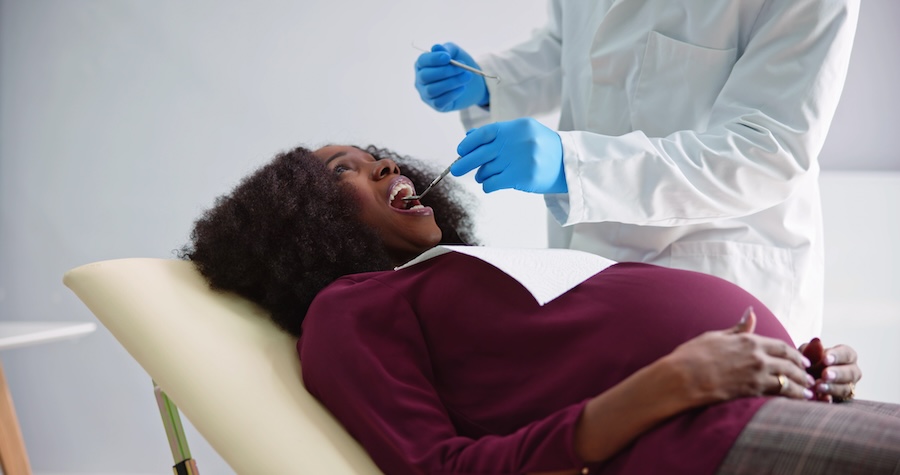
Routine dental exams, cleanings, and necessary treatments are generally considered safe during pregnancy and are often encouraged. Maintaining oral health during this time can help prevent infections and other issues that might otherwise become more complicated.
Dentists may coordinate with a patient’s physician when needed and take additional precautions with imaging or medications. For many patients, the second trimester is often the most comfortable time for dental treatment if procedures are required.
Oral Health Care at Bellevue Dental Oasis in Bellevue, WA
Pregnancy is a time of significant change, and oral health is one aspect of wellness that deserves attention along the way. Healthy gums and teeth help support overall well-being and can prevent dental problems from developing during an already busy time.
At Bellevue Dental Oasis in Bellevue, WA, Dr. Hyejin Cheong provides dental care tailored to patients at every stage of life, including pregnancy. Through preventive care, gentle treatment, and thoughtful guidance, the goal is to help patients maintain healthy smiles throughout pregnancy and beyond.
If you are expecting and have questions about dental care during pregnancy, scheduling a visit at Bellevue Dental Oasis in Bellevue, WA can help you receive personalized recommendations for protecting your oral health during this important time.
Categorised in: Dental Tips, Oral Health, Oral Hygiene